How to Prepare Your AC for Orlando's Peak Cooling Season
Published: 2026-04-25 · By UrbanCold AC Repair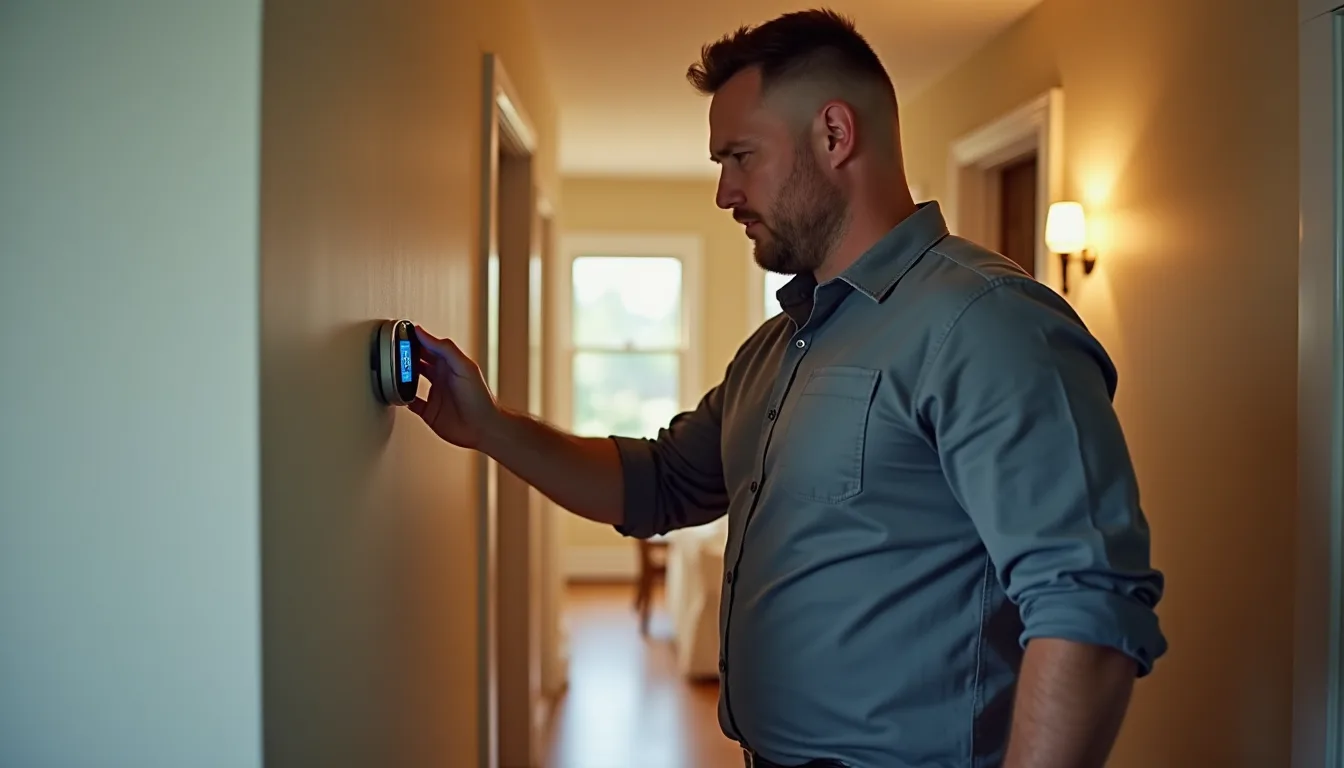
As summer approaches in Orlando, the sweltering heat and stifling humidity are about to unleash their full force. Picture this: you're ready to enjoy a long-awaited weekend at home, only to be greeted by the unwelcome sound of an AC unit struggling to cool down your living space. For local homeowners, ensuring that air conditioning systems are in peak condition isn’t just a matter of comfort—it’s essential for maintaining a healthy indoor environment during Florida’s oppressive heat months. With the peak cooling season approaching, being proactive with AC system prep can save you from the misery of breakdowns when you least expect it.
Why This Matters for Orlando Homeowners
Orlando's climate is notorious for its high humidity levels, which can place incredible stress on your air conditioning unit. The combination of heat, salt air due to proximity to the coast, and tropical storms means your AC unit faces a constant battle against corrosion and wear. This is particularly true for elevated homes that rely on proper moisture barriers to prevent water intrusion—deficiencies in these areas can lead to significant issues with air conditioning performance.
Many homeowners neglect routine maintenance, believing their AC units can withstand the weather without help. This can lead to lower efficiency, higher energy bills, and premature system failure. In fact, studies reveal that regular maintenance can reduce the likelihood of breakdowns significantly. As storms roll in, even small problems can escalate quickly, demanding immediate attention.
In a city like Orlando, where tropical storms are common, ensuring your AC is functioning optimally must be a priority. It’s crucial to recognize the signs of wear before they become costly repairs.
Expert Solutions & Actionable Tips
1. Inspect and Clean the Outdoor Unit
Your outdoor AC unit can easily become clogged with dirt, leaves, and debris, especially during the rainy season. Schedule a professional cleaning to ensure optimal air circulation. If you’re doing it yourself, simply switch off the power and use a hose to remove dirt. This can usually cost around $75 to $150 for a professional service.
Conduct this task at the start of the summer, ideally every six months, to prevent build-up that can lead to system failure. In humid climates like Orlando, cleanliness is directly linked to performance efficiency.
2. Change Air Filters Regularly
Dirty air filters can drastically reduce airflow and efficiency, making your AC work harder. In high-humidity areas, you should inspect filters monthly and change them at least every three months. This small maintenance task costs around $10-$30 per filter but can save you significantly on energy bills.
For homes with pets or allergy concerns, consider investing in a high-efficiency particulate air (HEPA) filter that captures more particles, ensuring better indoor air quality for your space.
3. Seal Ducts to Prevent Leaks
Leaky ducts can account for up to 30% of your cooling energy costs. Using duct sealant or mastic, you can close gaps, improving airflow and system efficiency. Hiring a professional to inspect and seal your ducts usually ranges from $300 to $700, depending on your home's size.
In Orlando, where humidity levels are a concern, duct sealing helps maintain cooler indoor temperatures and reduce the workload on your AC unit.
4. Schedule a Professional Maintenance Check
Having a technician inspect your system can prevent minor issues from snowballing into major repairs. Aim for a professional checkup yearly before peak season; expect to pay between $100 and $200 for this service.
During these maintenance visits, certified personnel will clean coils, check refrigerant levels, and identify potential failures—crucial steps to ensure lasting performance in Orlando’s tropical climate.
5. Invest in a Programmable Thermostat
Smart thermostats help optimize your AC’s efficiency by adapting cooling schedules to your lifestyle. These devices typically range from $100 to $250. Investing in one can reduce your energy bills by 10-15%, especially in areas with fluctuating temperatures.
With Orlando's extreme heat swings, programmable features allow you to set higher temperatures during the day when no one is home, ensuring your system isn’t working overtime unnecessarily.
6. Consider Wind and Salt Exposure
Orlando's coastal air contains higher sodium levels, which can lead to corrosion of metal parts in your AC unit. Apply a protective coating or consider investing in rust-resistant external units to prolong the life of your system. Costs for coatings can start at around $50.
Additionally, regularly check the exterior of your unit after storms or windy days to ensure no debris has caused damage that may impact performance.
Orlando Climate & Local Context
Orlando's tropical climate presents unique challenges for homeowners, particularly related to air conditioning systems. The excessive heat and humidity, combined with salt air, contribute to quicker deterioration of AC units. Most Orlando homes are elevated with careful moisture barrier installations to combat these issues. This results in a distinct building style that prioritizes encapsulation, yet may not completely shield critical fixtures from corrosion and wear.
Moreover, local building codes demand compliance to ensure all installations are safe and efficient. It’s not uncommon for Orlando residents to require permits for significant AC replacements or upgrades. Staying informed about these regulations is crucial to ensure your air conditioning system operates without legal complications.
When to Call a Professional
Some AC repairs can be tackled as DIY projects, especially if they’re simple maintenance tasks like changing filters or cleaning debris from the outdoor unit. However, for more extensive issues, calling a professional is essential. Technicians bring certified training and knowledge to diagnose and rectify complications that can confuse an untrained eye.
- Unexpected sounds or vibrations from the unit.
- Inconsistent cooling across different rooms.
- Foul odors coming from the vents.
- Water pooling around the outdoor unit.
- Significant increases in energy bills without explanation.
- Age of your AC unit is over 10-15 years.
It’s important to recognize these red flags early to avoid costly damages down the line.
Frequently Asked Questions
What should I do if my AC stops working in the middle of summer?
If your AC fails, immediately check the thermostat and power supply. If those are fine, call UrbanCold AC Repair for professional assistance to avoid further damage.
How can I improve my AC’s efficiency in such a humid climate?
Regular maintenance, sealing ducts, and changing filters frequently are key practices to ensure optimal operation in Orlando’s humidity.
Is it necessary to have my AC serviced annually?
Yes, annual servicing is vital to prevent costly repairs and ensure efficient cooling during Orlando's hot seasons.
How often should air filters be changed?
Filters should be checked monthly and replaced at least every three months to maintain efficiency, especially in humid environments.
What is the average lifespan of an AC unit in Orlando?
On average, an air conditioning unit in Orlando lasts between 10 to 15 years, depending on maintenance and local conditions.
Get Expert Air Conditioning Repair Service in Orlando
With Orlando's peak cooling season just around the corner, ensure your air conditioning system is ready to handle the heat. Don’t let potential issues go unchecked; call (407) 439-9641 to connect with UrbanCold AC Repair today. Let us help you maintain a cool, comfortable home all summer long.
Staying proactive about your AC maintenance not only prolongs the life of your system but can also save you considerable costs in the long run.